Executive Coaching Services
Complimentary Executive Coaching Session


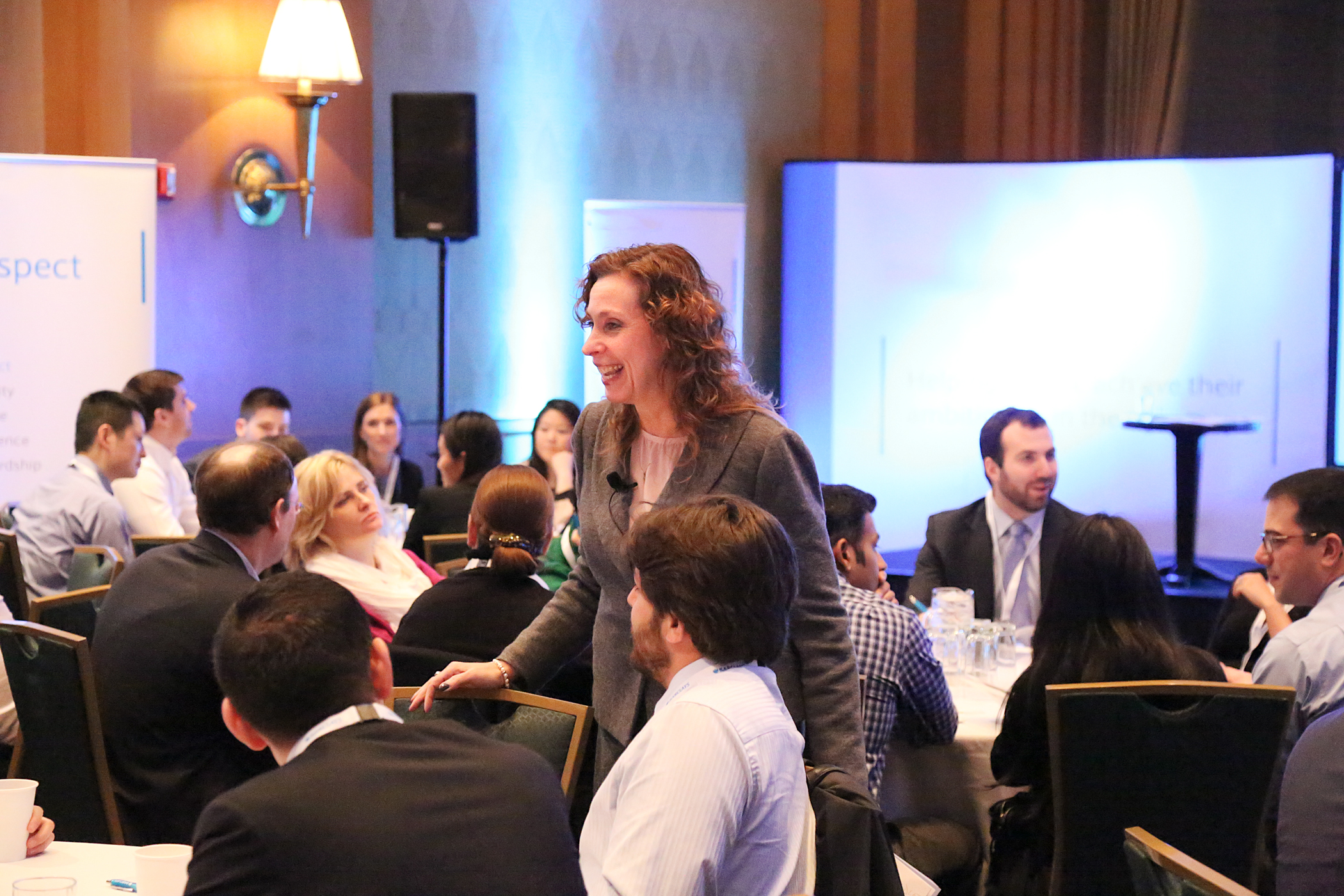
Photo of Janine SchindlerIt's important for the client and coach to work well together. The complimentary 30-minute session is a great way to get to know each other and determine whether or not the coach and client are a good fit. Coaching sessions are by phone or can be face-to-face if you're in New York City or nearby. Schedule an appointment by calling us at 646-742-0770 or use our contact form.


What's included in a basic executive coaching plan?

The basic plan is a one-month coaching commitment that includes:

  • Four sessions of fifty-five minutes each.
  • Coach on Call and unlimited e-mail support.
  • Assessment forms. (Appropriate tools determined on an individual basis.)
  • A welcome package. (charts, assessments, and other materials)

What are some activities involved in individual executive coaching?

  • Using approved techniques to set and achieve your business and/or personal development goals.
  • Identifying areas for development.
  • Learning how to better focus and produce quicker results.
  • Applying techniques to strengthen leadership skills.
  • Using coaching advice to move past obstacles that stand in the way of advancement.
  • Getting advice on how to reduce and manage stress.
  • Exploring ways to improve time management.
  • Improving conflict management skills.
  • Discovering ways to build and increase your business.
  • Involving you in face-to-face and phone meetings.
  • Collecting and analyzing relevant data from assessment tools and one-on-one interviews.
  • Taking advantage of tools, support, and structure to accomplish more.
  • Shadowing in meetings and conference calls.
  • Accomplishing more than you would on your own.
  • Engaging you in a contracting meeting to discuss roles and responsibilities and to clarify what, if any, feedback will be shared.
  • Meeting with your coach on a periodic basis.

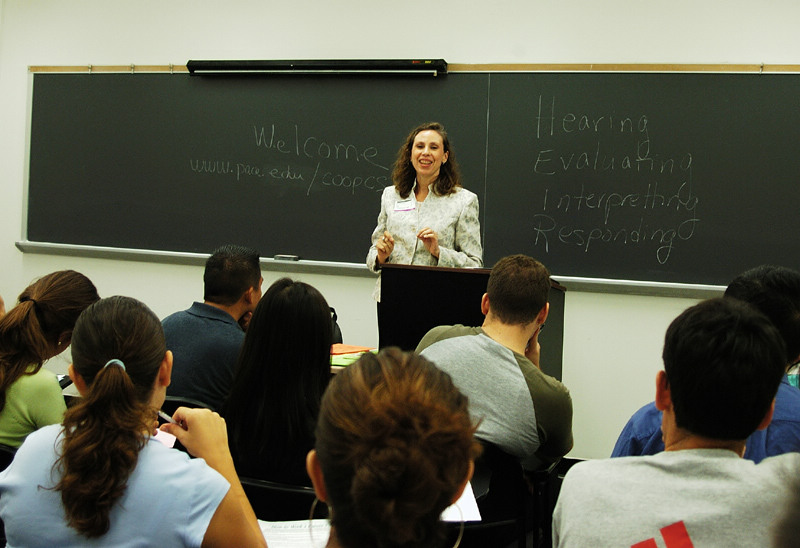
Photo of Janine Schindler

What does a team gain from working with a coach?

  • Improving confidence and trust in each other.
  • Cultivating shared leadership where all members contribute.
  • Creating open, direct, and effective communications that supports your team's vision, purpose and goals.
  • Developing and implementing team operating principles.
  • Creating and running highly effective meetings.

Think about the best athletes in the world. How did they accomplish goals thought to be unreachable? Would they have succeeded alone? Or did a coach guide them? The best athletes hire coaches to ensure they stay on track and meet tough goals.

While some of it may come from genetics, it can only take them so far. The coaches work with them and show them how to use all of their potential and beyond.